

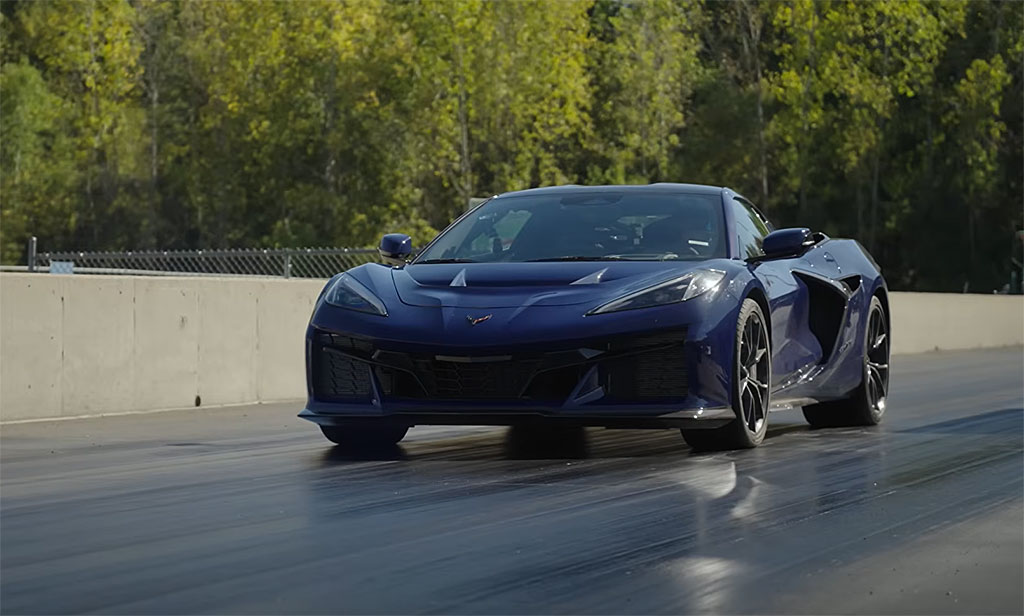
Car and Driver’s good, old fashioned written review of the awesome new Corvette ZR1X is, like the car itself, excellent. An analog pleasure in a digital world that is somehow both numb and overwhelming. It features sales brochure-worthy quotes by the truckload:
“The first day (in the ZR1X), you swear. Involuntarily. The way you do when you see the Grand Canyon or a rocket launch for the first time: You thought you understood the magnitude, and you were wrong.”
“There are EVs this quick. The difference is that their power arrives quietly and with the immediacy of a light switch. The ZR1X winds up. There are downshifts, turbos spooling, a gathering of something ominous that fills the time the way a good drummer uses a fill: You hear it coming, and it still hits you. The sound isn’t pretty; it’s more released than produced. A loud and flat bark that’s the byproduct of something genuinely violent happening mechanically behind your head. That authority, and the buildup that delivers it, is the entire case for internal combustion in 2026.”
“No individual records fell during testing, but look at the whole: A car with a removable roof, a functional trunk, and a curb weight not far from that of a mid-size crossover posted world-class numbers in every category we measure. The specialists that beat it in any one discipline can’t touch it in the others. The competence is so broad it borders on the absurd.”
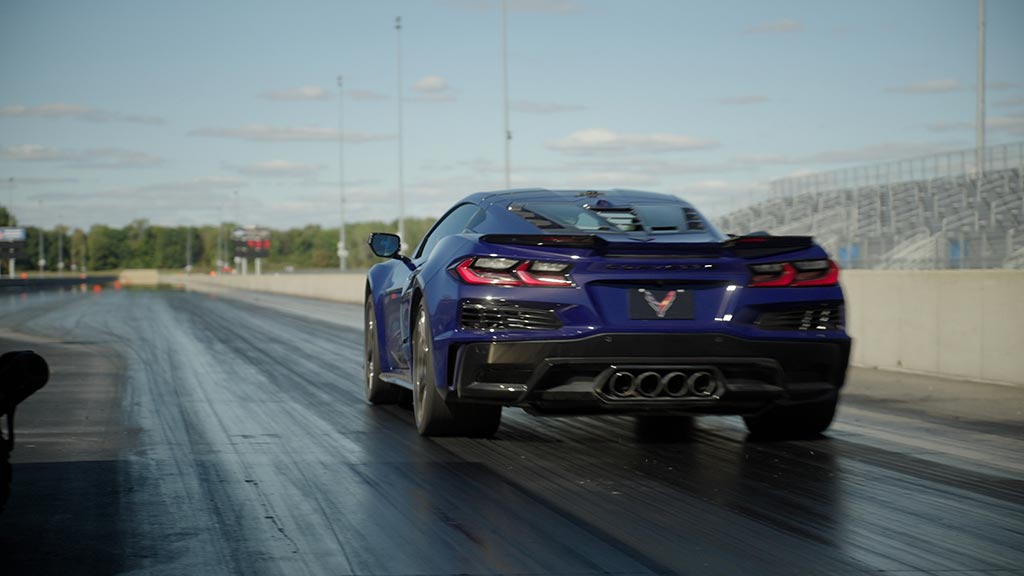
The most interesting tidbit, though is something we’ve only barely covered via the DeMuro short posted on the 18th: the governing body that sets the rules of drag racing and hosts sanctioned events all over North America, the National Hot Rod Association (NHRA), says the ZR1X is too fast to compete. NHRA’s street legal rules state that production cars aren’t allowed to go under 9.0 seconds or exceed 150 MPH in a quarter mile run. The AWD Hyper ‘Vette can regularly break both rules.
Official numbers from Chevrolet are both far over the limit at an astounding 8.675 seconds and 159.57 MPH. In less-than-ideal conditions, Car and Driver wasn’t able to match Chevy’s claims, but, even on an off day, the 9.2 @ 155 they managed would have still been flagged as too dang quick by current standards. Having a $250k car that can regularly break NHRA’s limits straight off the floor of the local Chevy dealership prompted C&D to contact NHRA about the very real possibility of ZR1X owners bringing their cars to the strip in the near future. A representative replied that, “NHRA would observe the car in its test configuration and be open to an opportunity to learn of its safety advancements.”
The author, Carlos Lago believes that statement meant the NHRA wasn’t prepared for the X any more than the rest of the automotive industry was. We weren’t there to hear inflection or catch any other clues, but, to us, that response reads like Wilt Chamberlain just entered the league and new rules might need to be adopted. If you’re hoping to take your incoming ZR1X to the strip, don’t fret, we don’t think a fully warrantied luxury coupe from the nation’s largest automotive manufacturer will stay banned/require sand-bagging finishes for long!
Source:
Car and Driver
Related:
[VIDEO] Doug DeMuro on Who Will be Crashing the New 2026 Corvette ZR1X
[VIDEO] It’s Official! The Corvette ZR1X Runs 8.675 Seconds at 159 MPH in the Quarter Mile
2026 Corvette ZR1X Stars & Steel 1-of-1 Sells for $2.6 Million at Barrett-Jackson
Subscribe Now:

![[VIDEO] Jesse Iwuji's Cinematic Downhill Touge Run in ZR1 Borrowed from Chevy](https://www.corvetteblogger.com/images/content/uploads/2026/10/102326_5-218x150.jpg "[VIDEO] Jesse Iwuji’s Cinematic Downhill Touge Run in ZR1 Borrowed from Chevy")
![[VIDEO] Paragon Track Tests the Corvette Grand Sport and GSX on Equal Footing](https://www.corvetteblogger.com/images/content/uploads/2026/10/102326_1-218x150.jpg "[VIDEO] Paragon Track Tests the Corvette Grand Sport and GSX on Equal Footing")

Well actually,in reality,it’s too fast for the street too. Streets around me for sure. I have a hard time wringing out my Z51 anywhere.
That has got to be ultimate bragging rights, that car is so fast stock–that it cannot legally compete in NHRA.
Stupid rules like this are why not just any manufacturer can sell a 9-second car.
Vehicle manufactures have legal responsibilities under federal regulations and state tort law to ensure their products meet safety standards. The legal standard in most jurisdictions focuses on whether the vehicle contained an “unreasonably dangerous condition” that existed when it left the manufacture’s control. Greenman V Yuba Power products (1963), courts established that manufactures may be held strictly liable for defective products. Under strict liability doctrine, plaintiffs need not prove negligence-only that the defect existed, caused harm, and the product was used as intended. Thanks, Ray
Comments are closed.