

Is the Corvette unique? I think we all like to think of our Corvettes as something special, but while largely they are, there are many things not specific to the platform. Vehicle manufacturers are seemingly driven by bean counters and the cost of building a car is often scrutinized to the pennies.
That said, if a manufacturer can build a car and not take on additional expense of engineering, tooling, and additional production matters, they win – and the buyer wins, through a lower cost car. In the case of Corvette, a World-Class car at the best price point around.
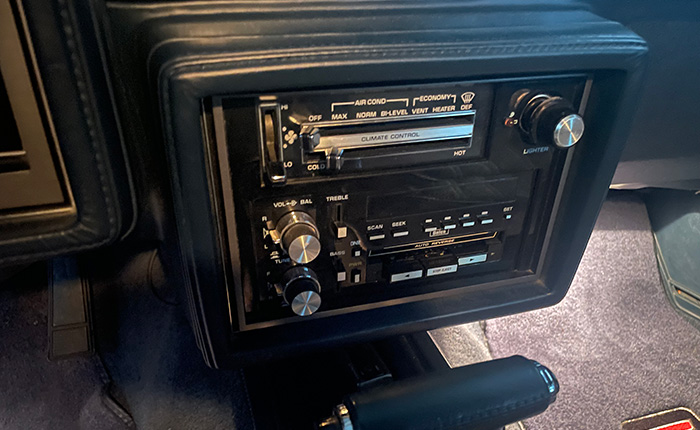
But the parts sharing, it’s real. Looking beyond the obvious with many powertrain items shared, including ancillary items like a starter, alternator, etc., in some cases, it might be a radio or navigation unit. In other cases, it might be door handles or latches, seat switches, rear view mirrors, or even the steering wheel. Let’s look at an example of this from the mid-1980s Corvette.
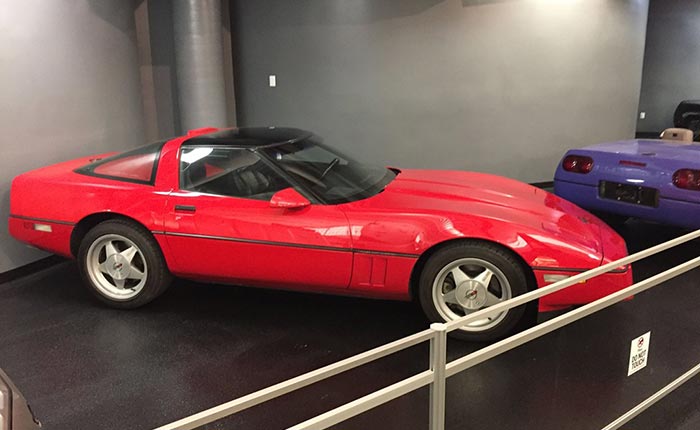
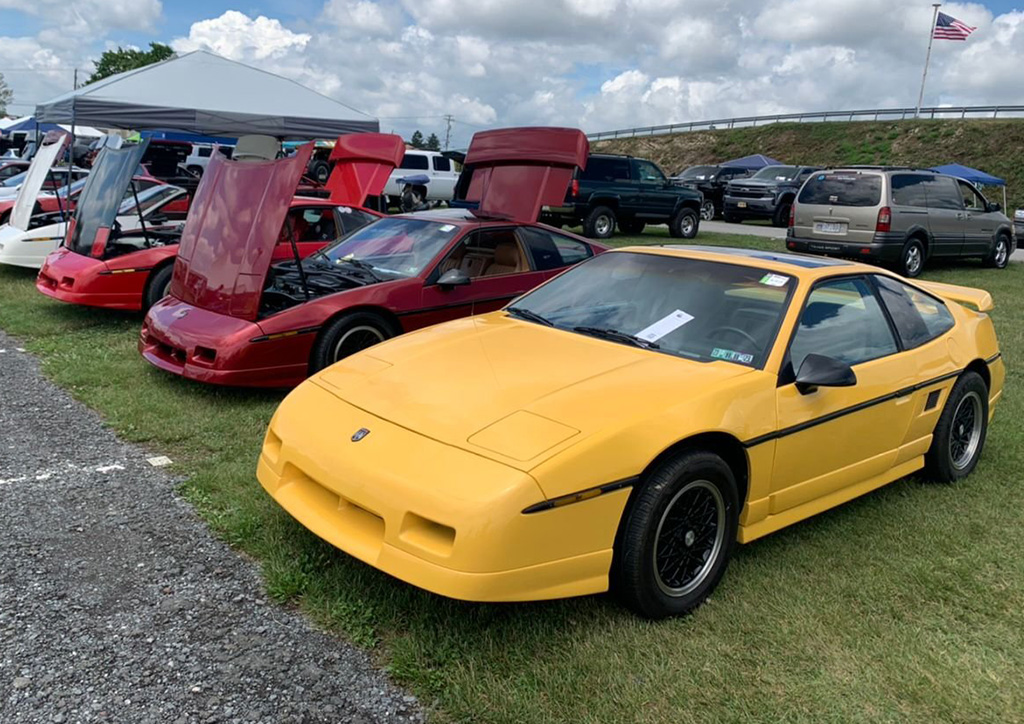
The 1983 Corvette redesign which hit production in 1984 was a revolutionary design. The wedge-shaped Corvette changed Corvette performance forever and is largely credited with accelerating the horsepower wars through its production. But some design trim was shared between platforms.
Take the 1982 Pontiac Firebird/Trans Am and Chevrolet Camaro outside mirrors. They look familiar to the 1983 Corvette. Same with the 1984 Pontiac Fiero outside mirrors. They all shared the same shape, and even the 1986 Chevrolet Monte Carlo got in on the action, changing their earlier design shared with other GM G-Body cars from the earlier painted sport mirrors to the ones shared with Corvette.
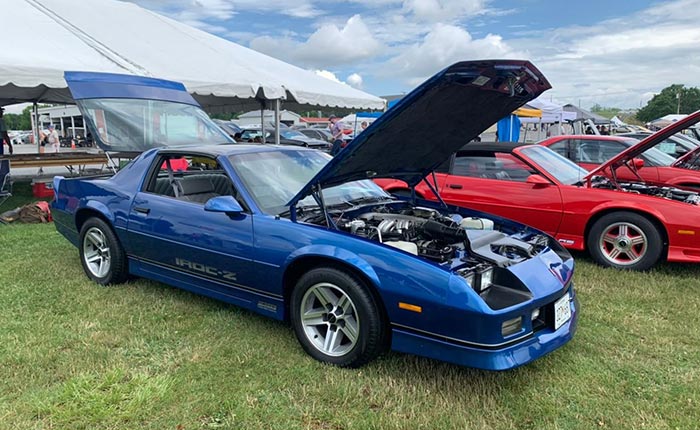
The mirrors, which were approved for production, helped keep costs lower than if each used a unique design. Most wouldn’t give this much of a second thought, if noticed at all. And it worked – the design worked for each of those platforms. Functional, lent to the overall style, and the cars were reasonably affordable.
Steering wheel styles on the 6th Generation Corvette were often remarked as similar to the Malibu. Switches for the steering wheel, also the same. After living through vehicles of the 1960s and 1970s, this was not unexpected for me. In fact, the Hollander Interchange Manual which has been published since 1934 is considered the Bible of parts compatibility for vehicles.
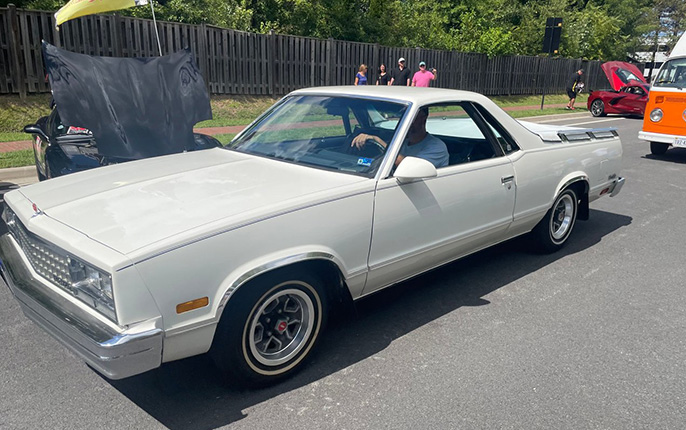
What else is used between cars? Sometimes, it’s not even the same manufacturer using elements from another car or truck. Remember, it’s best cost – the accountants are watching…
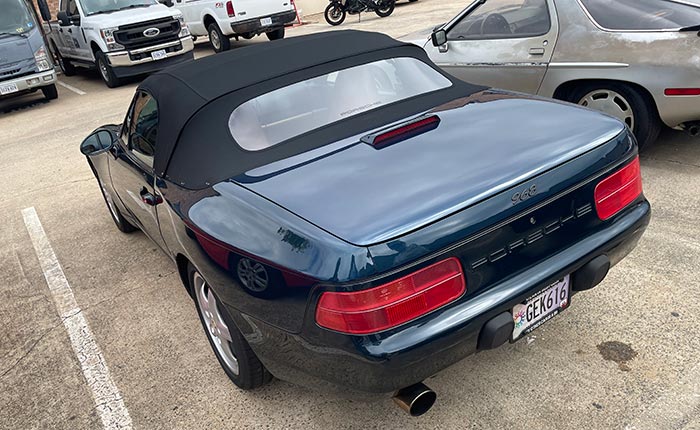
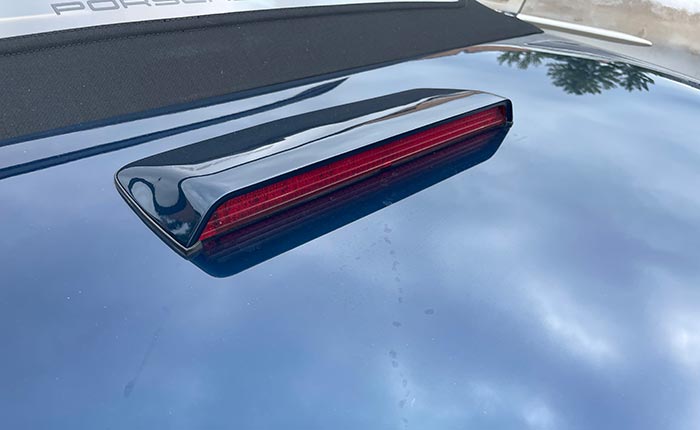
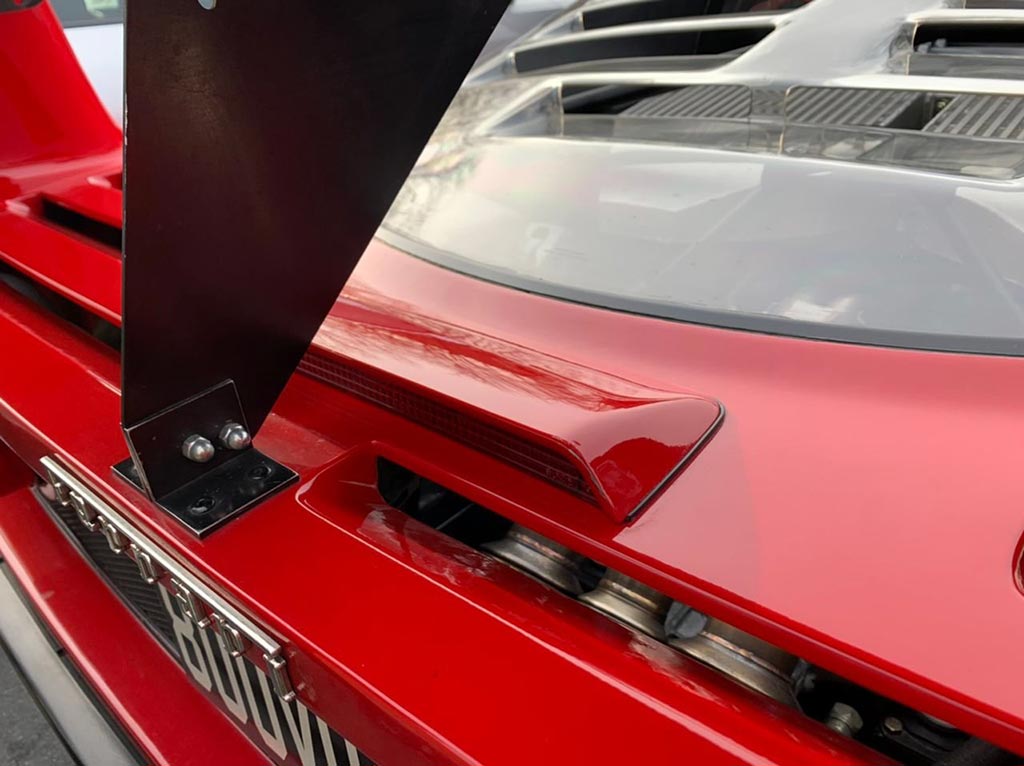
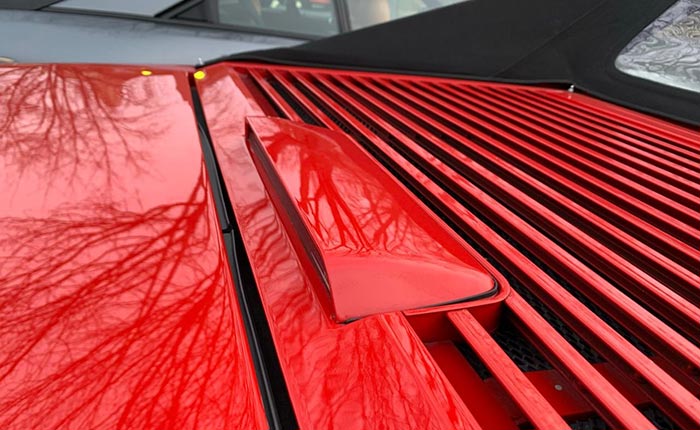
At a car show, I noticed a familiar looking part on a Porsche 968 Cabriolet. The third brake light on the rear deck of the 968 Cabriolet looked like it was from a mid-80s Corvette. Upon closer look, it had all the markings to confirm. The wedge-shaped center high mount stop light (CHMSL), with “GUIDE” markings on the lens, was the same one used on 1986-1990 Corvette L98 coupes and the 1990-1995 ZR-1.
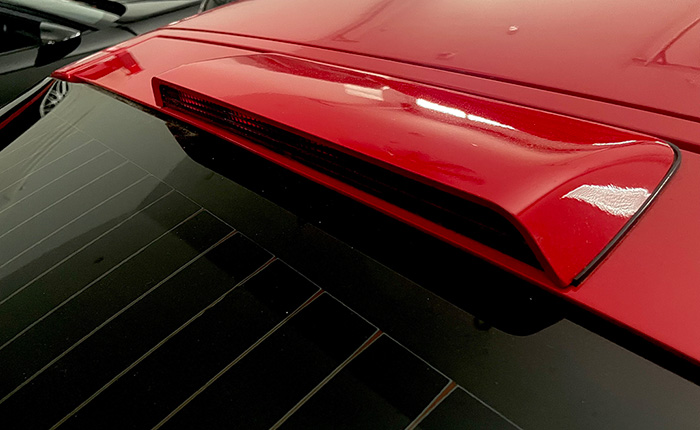
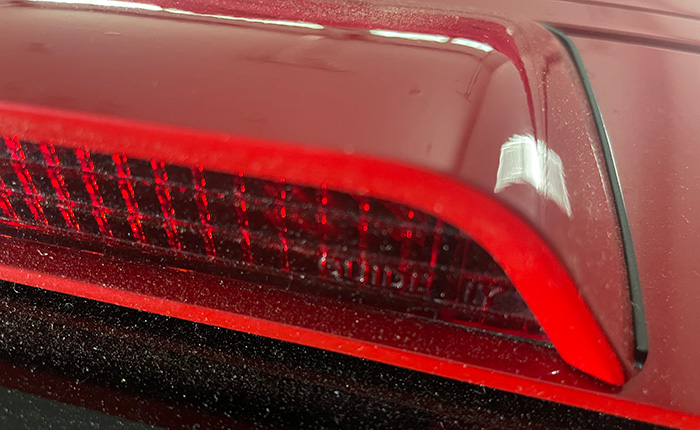
GUIDE was a General Motors company and supplied lighting product to the GM vehicle lines. The markings on the CHSML confirmed it was the same part, which upon further review, was used not only for the 1992-1995 Porsche 968 Cabriolet, but also its predecessor, the1989-1991 Porsche 944S2 Cabriolet. This same light was also used on the Ferrari Mondial Convertible, and on the Ferrari F40.
General Motors isn’t alone in this way of building vehicles. Lamborghini sourced headlights from the Nissan 300ZX for use in the Diablo when it went to a fixed light vs. pop-ups. Even the new Alfa Romeo 4C is rumored to use parts from Fiat cars.
In a smaller scale, famed Corvette specialty manufacturer, Callaway Cars, used taillights from the rather mundane Opel Tigra on its Callaway C12 supercar, as the taillights already were certified for roadgoing use, and in the case of their shape, lent well to a lip across the tail to further enhance the design of the car.
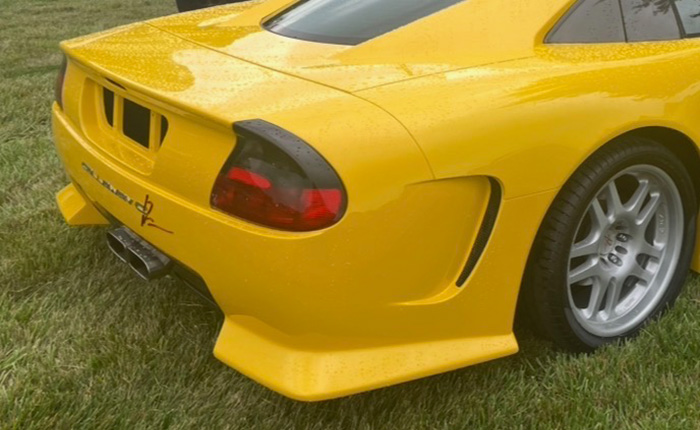
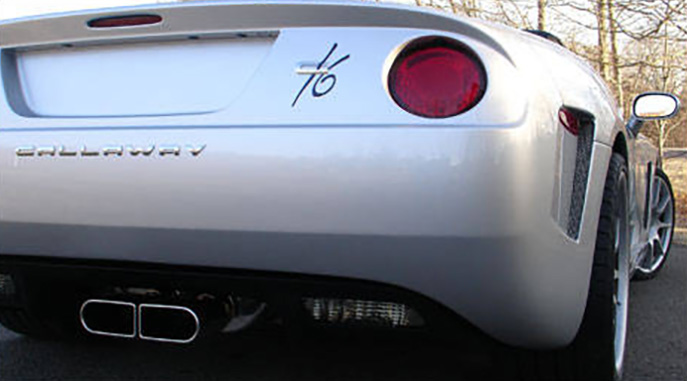
Callaway, for the C16 supercar used two of the four Corvette C6 taillights in the new body, and for headlights, molded an entirely new bucket – but utilized the factory projector lights. Clever, as those lighting elements were already approved for use buy the Dept. of Transportation.
A quick look on eBay shows the CHMSL from a Ferrari to be worth nearly a hundred times more than a clean used Corvette part. Forget the “Corvette Tax”, this is out of this World.
What have you seen over the years for parts bin engineering or applications on other vehicles from another? Comment below, as we’d love to hear your examples.
Source:
Photos by Chris Chessnoe
Related:
[VIDEO] Ranking Every Corvette Generation from Worst to Best
[VIDEO] C8 Corvette ZR1 Flexes its Muscles Against the McLaren 750S
[VIDEO] Take a Deeper Dive into the New LS6 and How It Compares to the LT2
Subscribe Now:
![[VIDEO] Chevrolet Performance Engineers Explain Why They Push Crate Engines to the Breaking Point](https://www.corvetteblogger.com/images/content/uploads/2026/10/102126_6-218x150.jpg "[VIDEO] Chevrolet Performance Engineers Explain Why They Push Crate Engines to the Breaking Point")

![[VIDEO] DragTimes Attended the Insane Tesla Roadster Launch and Shares Even More](https://www.corvetteblogger.com/images/content/uploads/2026/10/101626_11-218x150.jpg "[VIDEO] DragTimes Attended the Insane Tesla Roadster Launch and Shares Even More")

I’ve seen the cheap looking Vega steering wheel on all 76 Corvettes and on 77-79 Corvettes without the tilt telescopic steering wheel.
The tail lights of a 63 through 67. Corvette are identical to 1958 Chevrolet tail lights.
There was a lot of technology on the Fiero used in the C5. How panels bolted on and the materials used. Even the same designer was used on both cars.
Sharing parts is not rare. But to see Porsche use the Corvette light is funny as they were racing each other around this time.
Let’s not also forget that GM pilfered every bit of sports-car tech from Isuzu that it could, before hanging it out to dry. (GM did the same thing with Isuzu’s off-road offerings a few years later).
It took 31 years for the C8 to debut after Isuzu had a V8 M/R concept back in 1989. Technically it took 35 years for V8 M/A from GM.
And now GM has destroyed all of its subsidiaries like Delco and Delphi, so that China can source all of those bits instead. Ironic how the circle of development went from stealing from 1 Asian company–only to sell out (and be beholden to) another.
One reason I have always been biased/drawn to the GM brand is that so many parts, designs and systems were common/shared across the divisions (water pumps, alternators, switches, electric motors, power steering pumps, rocker arms, gauges, etc.). So when issues would eventually come up over the years, I had some background, understanding and previous experience to leverage and effect repairs. There was also some money to be saved when buying parts due to economy of scale in manufacturing.
Today a lot of that “standardization” has disappeared. A few years ago it was nearly impossible to get the best of what Chevy had at the time: Z06. The left was trying to kill off the internal combustion engine with the phase in of overly, unnecessarily restrictive emission regulation. So I almost looked into getting a much more “available” Mustang GT500 before the “end of IC”. Fortunately the administration changed. The ZR1 came out of development and was announced as a REAL product. So with the future of fossil fuel engines assured for the moment, I stuck it out with GM another 18 months and was able to order a ZR1. No common parts I would imagine…